
App-only / Note
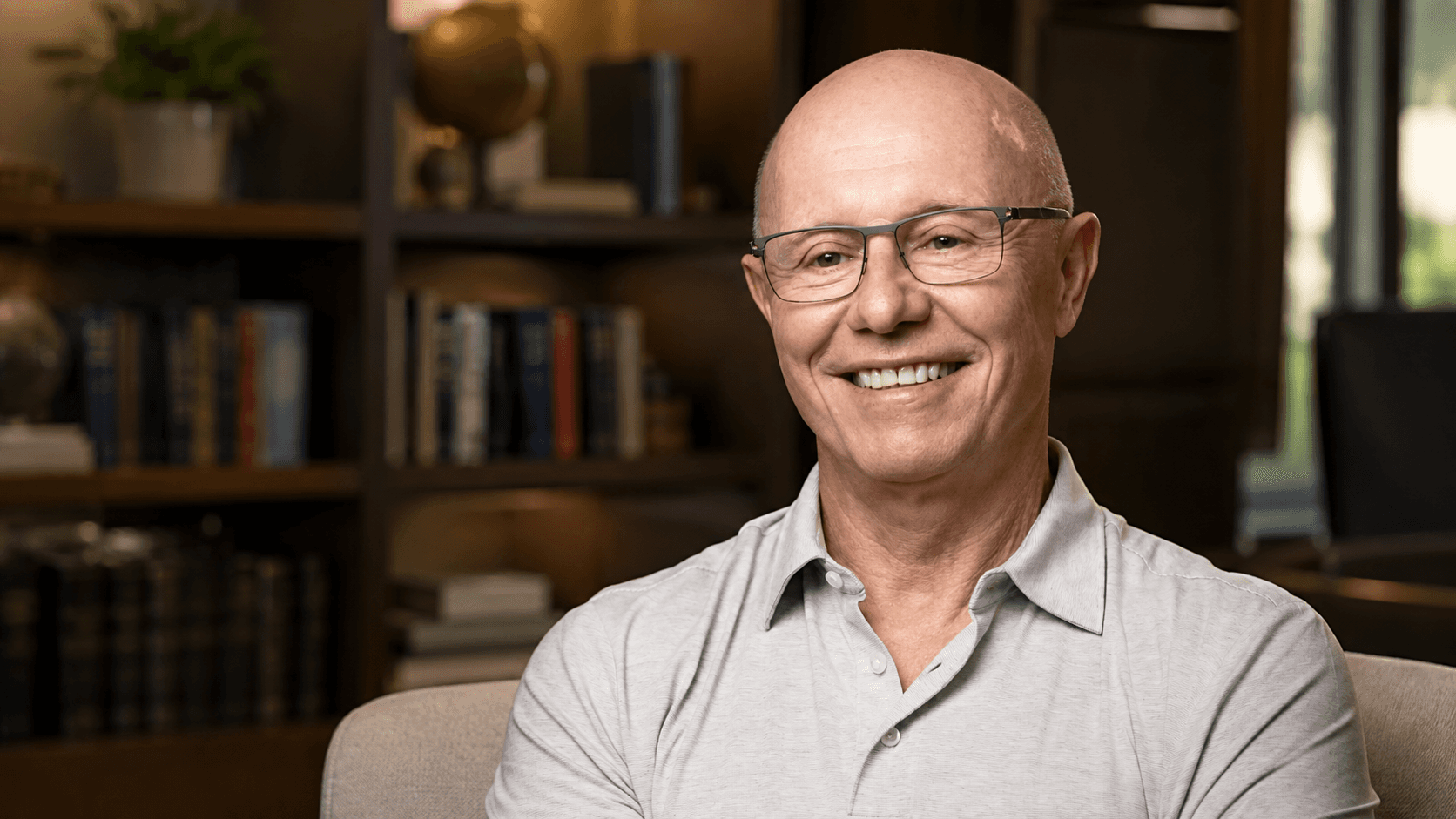
Doug Leone spent decades helping build Sequoia into one of the world’s most important venture firms. In his latest conversation with David Senra, one question stood out: How do you stay relevant when the world keeps changing around you?
Neverlater
September 6, 2026
Shape your Neverlater
Follow the topics behind this signal
Following immediately improves For You, Daily Brief, and Notifications.
App-only note
Doug Leone’s recent conversation with David Senra starts with a surprisingly personal question.
How do people dominate for decades?
His answer is not simply talent.
Or luck.
Or even consistency.
It is the ability to remake yourself repeatedly as the environment changes.
That idea feels especially relevant right now.
Because consumer companies, operators, and founders are entering an environment where the playbook itself keeps moving.
Retail used to reward footprint.
Then digital mattered more.
Then marketplaces.
Then social commerce.
Then creators.
Now AI is changing discovery, merchandising, and customer service again.
The same applies to F&B.
The operating model that worked at 20 stores may not work at 200.
The founder who was perfect for the first five years may need to become a very different leader for the next five.
past success creates credibility, but it does not guarantee continued relevance.
Leone describes a deep fear of becoming irrelevant as part of what keeps him learning and reinventing himself.
We would not romanticize anxiety.
But there is something useful inside the idea.
Strong operators rarely assume that yesterday’s advantage automatically survives tomorrow.
What has changed?
What are we missing?
Which capabilities no longer matter?
What do we need to relearn?
Where are younger competitors structurally better?
That mindset is different from defending the old playbook.
A company can remain in the same category while becoming a fundamentally different business.
Amazon started with books.
Netflix moved from DVDs to streaming.
Consumer brands move from online to offline.
Retailers evolve from stores into omnichannel systems.
The important part is not constant change for its own sake.
It is recognizing when the underlying environment has shifted enough that the company needs to shift with it.
Durability is not the ability to stay the same. It is the ability to preserve what matters while changing what does not.
This is probably the harder part.
Companies can change strategy.
Founders need to change themselves.
At 10 employees, speed matters enormously.
At 1,000 employees, clarity, sequencing, talent, and organizational architecture become much more important.
The founder needs to remain the soul of the company without becoming the bottleneck.
Doug Leone’s conversation repeatedly returns to reinvention, humility, and the willingness to start again as a beginner.
That is probably the more useful founder lesson.
Long-term dominance is often described as consistency.
We think it is closer to continuous relevance.
The values may stay.
The ambition may stay.
The quality bar may stay.
But the way the company operates, distributes, hires, sells, and competes may need to change repeatedly.
The strongest companies are not the ones that find one winning playbook. They are the ones capable of replacing their own playbook before someone else does it for them.
References
Sources used to support this Neverlater read.
Discussion
No approved comments yet. Be the first to add a thoughtful note.