
Radar Signal
Our Read on Amity Robotics Bringing AI Into Physical Retail
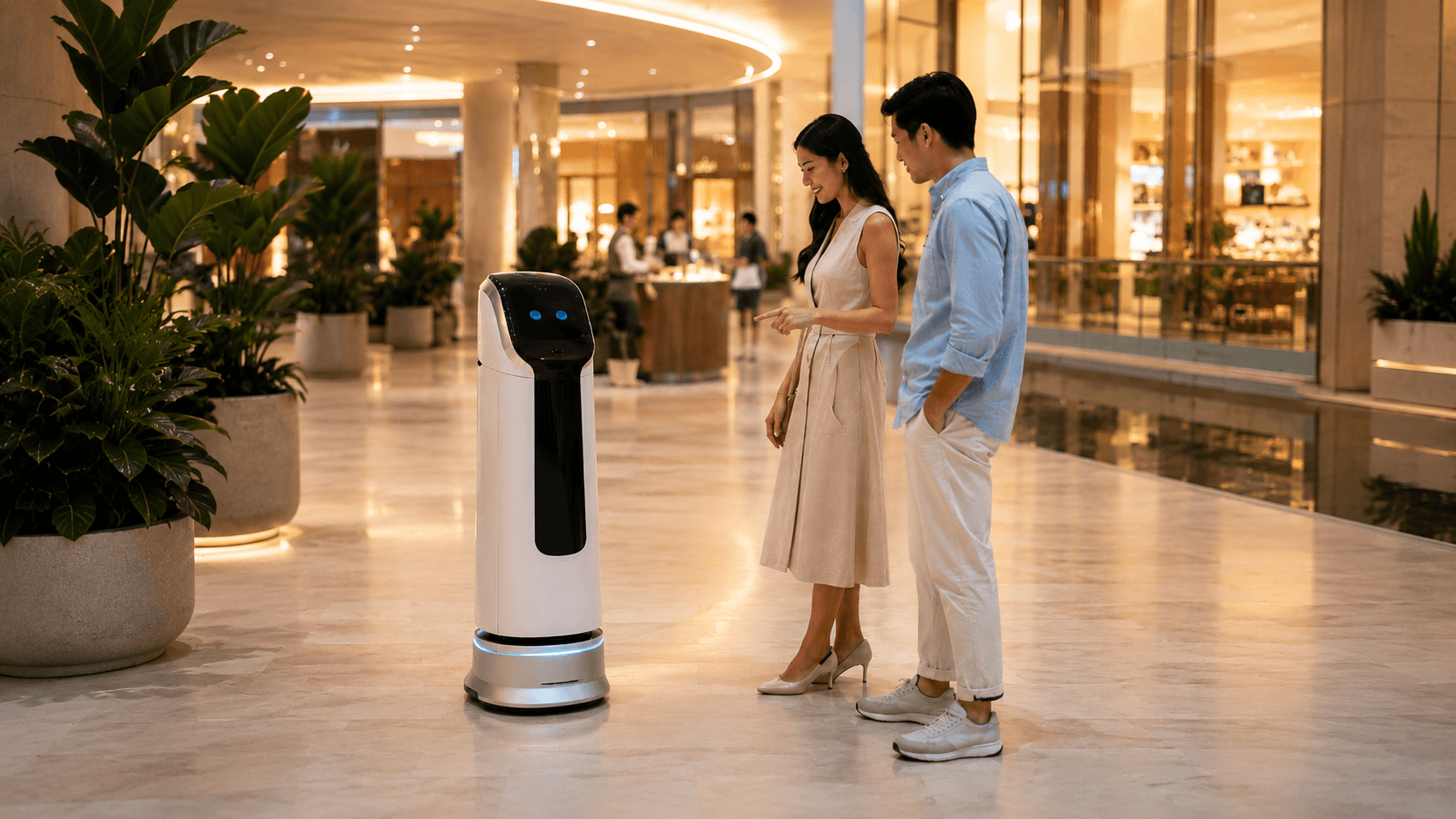
Thailand-based Amity Robotics has closed a US$7 million seed round combining equity and debt financing.
Neverlater Radar / August 3, 2026
Radar Signal
Thailand-based Amity Robotics has closed a US$7 million seed round combining equity and debt financing.
Neverlater Radar / August 3, 2026
Shape your Neverlater
Follow the topics behind this signal
Following immediately improves For You, Daily Brief, and Notifications.

Signal
Thailand-based Amity Robotics has closed a US$7 million seed round combining equity and debt financing.
The equity portion was led by East Ventures, with participation from 500 Global.
The debt portion was led by AlteriQ Global.
The company is building physical-AI and robotics systems intended for customer-facing environments such as:
The funding will support Amity Robotics’ ambition to build a globally competitive physical-AI company from Thailand.
Why it matters
Amity Robotics is operating in a more difficult environment.
Physical AI needs to work in places where customers move unpredictably, hardware requires maintenance, and every deployment interacts with real-world operations.
If the technology works, it could create a new service layer inside physical retail and hospitality.
If it does not, the robot risks becoming expensive novelty.
Neverlater read
Our view: the most commercially useful AI in retail may not live only inside an app.
It may sit inside the physical customer journey.
A physical AI system could bring those layers together.
The robot itself creates visibility.
But the commercial value depends on what sits behind it.
Without integration, the machine is only a moving interface.
What to watch next
How many live properties does Amity reach after the funding?
Do customers continue using the systems after the novelty period?
Can the platform connect to mall, hotel, loyalty, booking, and tenant systems?
How long does each deployment take to pay back?
Uptime and field support will be critical.
Can Amity deepen deployments in Indonesian malls, hotels, and mixed-use properties?
References
Sources used to support this Neverlater read.
With integration, it could become a useful operating layer.
Consumers may interact with a robot because it is new.
That does not prove long-term value.
The technology should eventually be judged on outcomes rather than attention.
Software businesses can scale with relatively low marginal cost.
Amity needs recurring software or service revenue strong enough to support that operating burden.
The company’s debt financing may also reflect the capital requirements of deploying physical assets.
Physical AI becomes valuable when it disappears into the operation.
“This mall has a robot.”
The goal should be for the customer journey to become easier and for the property operator to gain measurable efficiency, engagement, or revenue.
That is the difference between a technology demonstration and real infrastructure.
Discussion
No approved comments yet. Add the first thoughtful note.