Radar Signal
Our Read on Kargo’s US$7 Million Bridge Round
Kargo Technologies reportedly raised up to US$7 million through a convertible-note bridge round.
Neverlater Radar / July 30, 2026
Shape your Neverlater
Radar Signal
Kargo Technologies reportedly raised up to US$7 million through a convertible-note bridge round.
Neverlater Radar / July 30, 2026
Shape your Neverlater
Follow the topics behind this signal
Following immediately improves For You, Daily Brief, and Notifications.

Signal
Kargo Technologies reportedly raised up to US$7 million through a convertible-note bridge round.
The financing was led by existing investor AC Ventures, with Cathay Venture joining as a new backer.
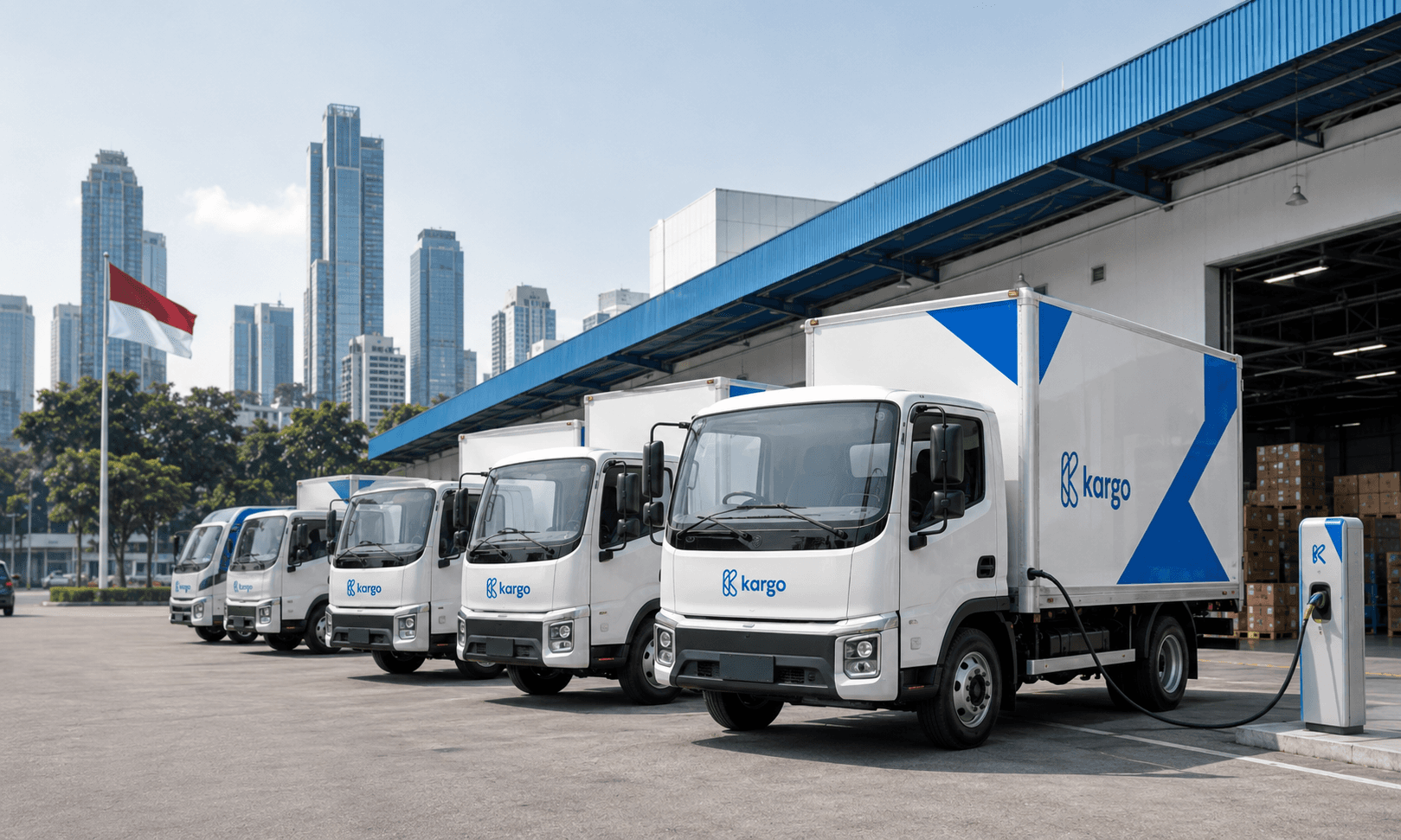
The funds are intended to support the expansion of Kargo’s electric-vehicle-as-a-service operations.
Kargo’s EV proposition is broader than vehicle rental.
The company and its investors have also reported materially lower operating costs from selected EV deployments, although these results should be treated as company-reported proof points rather than independent fleet-wide validation.
Why it matters
Commercial fleet electrification is often discussed as a vehicle-replacement problem.
In reality, it is a system-design problem.
A logistics operator cannot simply replace a diesel vehicle with an electric one and expect the economics to work automatically.
Kargo is therefore not only betting that electric trucks are cheaper to operate.
It is betting that it can package the vehicle, infrastructure, technology, and operating support into a service customers are willing to adopt.
That is a more valuable proposition.
It is also more capital-intensive and operationally demanding.
Neverlater read
Our view: Kargo’s latest fundraising is not only backing more electric vehicles.
It is backing an attempt to redesign commercial-fleet economics.
The EV-as-a-service model can solve an important customer problem.
Many fleet operators may be interested in lower fuel and maintenance costs but hesitant to:
A service model can reduce those barriers.
But the risk does not disappear.
It moves onto Kargo’s balance sheet, financing partners, and operating system.
A bridge round can serve several purposes.
But bridge financing can also signal that the company needs additional capital before its next major fundraising event.
For Kargo, the editorial question is not whether bridge financing is positive or negative.
It is what the round enables the company to prove next.
What to watch next
Does Kargo finance vehicles directly, through leasing partners, or through customer commitments?
How many electric vehicles does the fresh capital actually put on the road?
EV economics depend heavily on keeping vehicles productive.
Which logistics routes deliver the strongest total-cost advantage?
Can charging capacity grow without becoming the main operating bottleneck?
Are savings strong enough to drive renewals without heavy subsidies?
Does the bridge round lead into a larger priced equity round, strategic investment, or asset-financing facility?
References
Sources used to support this Neverlater read.
Technology-enabled logistics companies often position themselves as asset-light.
Electric-fleet services can pull the model in the opposite direction.
If Kargo owns or guarantees too much of that infrastructure, growth may require substantial capital.
If partners carry most of the assets, Kargo must still ensure service consistency and economic alignment.
Software layer?
Fleet operator?
Financing intermediary?
Full-service logistics provider?
Trying to occupy every layer can create stronger customer value.
It can also create excessive complexity.
The strongest EV-logistics business will not be the one with the most vehicles.
It will be the one that understands exactly where EVs improve the economics and where they do not.
Urban, repeatable, high-utilisation routes may work earlier.
Long-distance, irregular, and infrastructure-light routes may take longer.
Kargo’s opportunity is to make that transition easier and more measurable.
The bridge round gives it more capital to prove the model.
It does not remove the need to prove the economics.
Discussion
No approved comments yet. Add the first thoughtful note.